Project: Loop Reset
Twin Stick Shooter with Arcade Scoring and Procedural Level themed with Sci-fi, Can you survive the alien onslaught? Experience the science fiction arcade-shooter! This is a Futuregame student project made by a team of 2 programmers and 3 designers. The theme of the project was replayablity.
Read more about the design process
Alpha Stage: Core Prototyping & Concept
Process images:
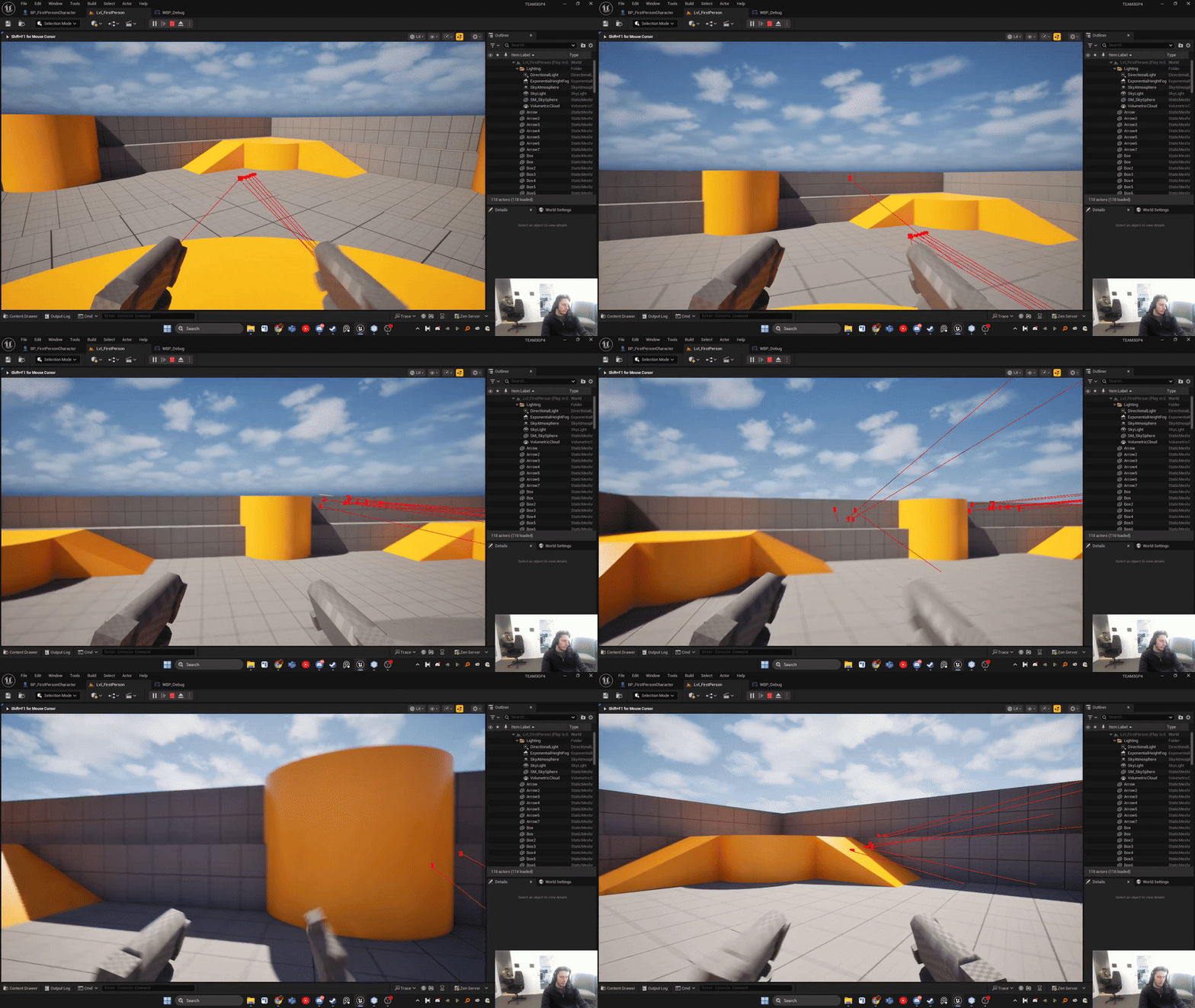
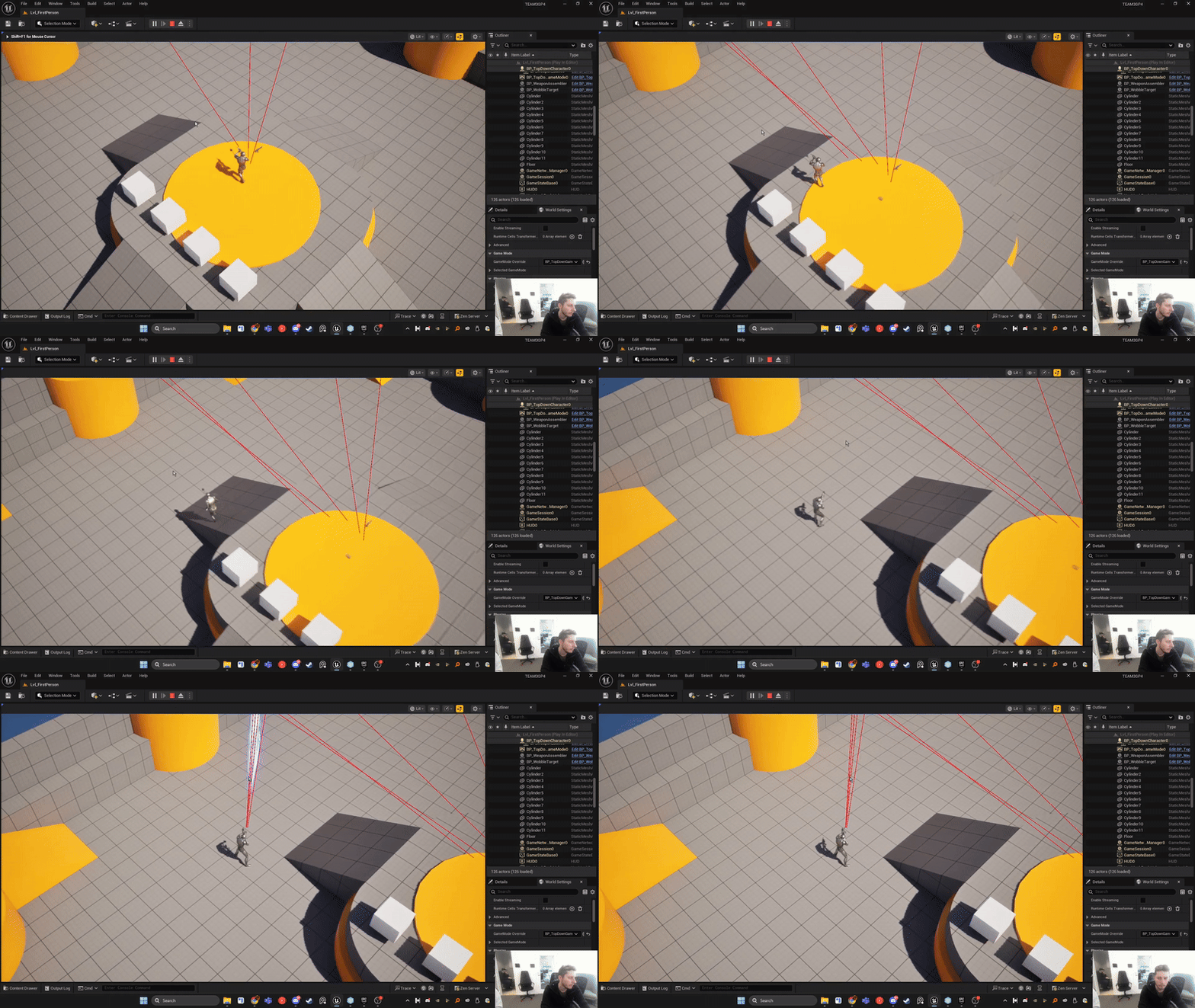
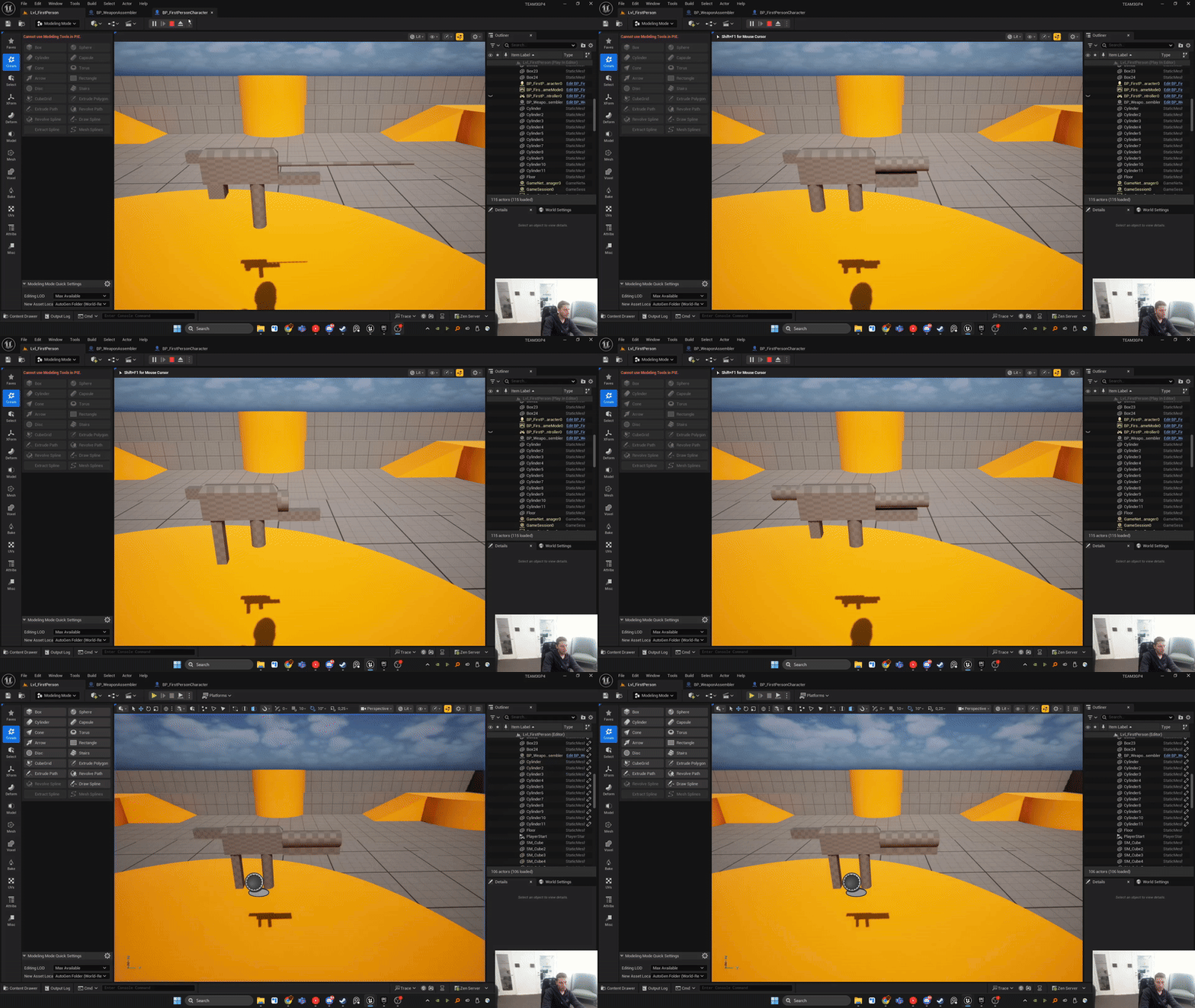
My initial responsibility was to find the core "fun" of our project. To do this, I rapidly prototyped two distinct concepts for the team to evaluate: a first-person shooter and a top-down shooter. For each prototype, I built the complete core mechanics:
- Prototype FPS: I prototyped a dual-wielding pistol system that featured procedural recoil to ensure the weapon feel was dynamic. The core design hook was combinatorial effects—the player could equip different elements to their right and left hands (e.g., fire, ice), and the fun would emerge from combining these elements on a target.
- Prototype Top-Down: I prototyped a data-driven modular weapon system (inspired by Borderlands) that could randomly combine parts like barrels, stocks, and magazines to create unique weapons.
- Alpha Initiation: The prototyping phase was incredibly valuable because it allowed us to make critical decisions early. From those experiments, we moved forward with the top-down shooter as our core concept, as the team felt it was the stronger and more engaging prototype. We also made a strategic decision to move away from the complex modular systems. While those were successful technical experiments, we opted for a more classic, handcrafted weapon system. This was a crucial scoping decision that allowed us to focus our limited time on polishing a core set of weapons to a very high standard, which was the right call for the project.
Beta Stage: Refinement & Asset Integration
Process images:
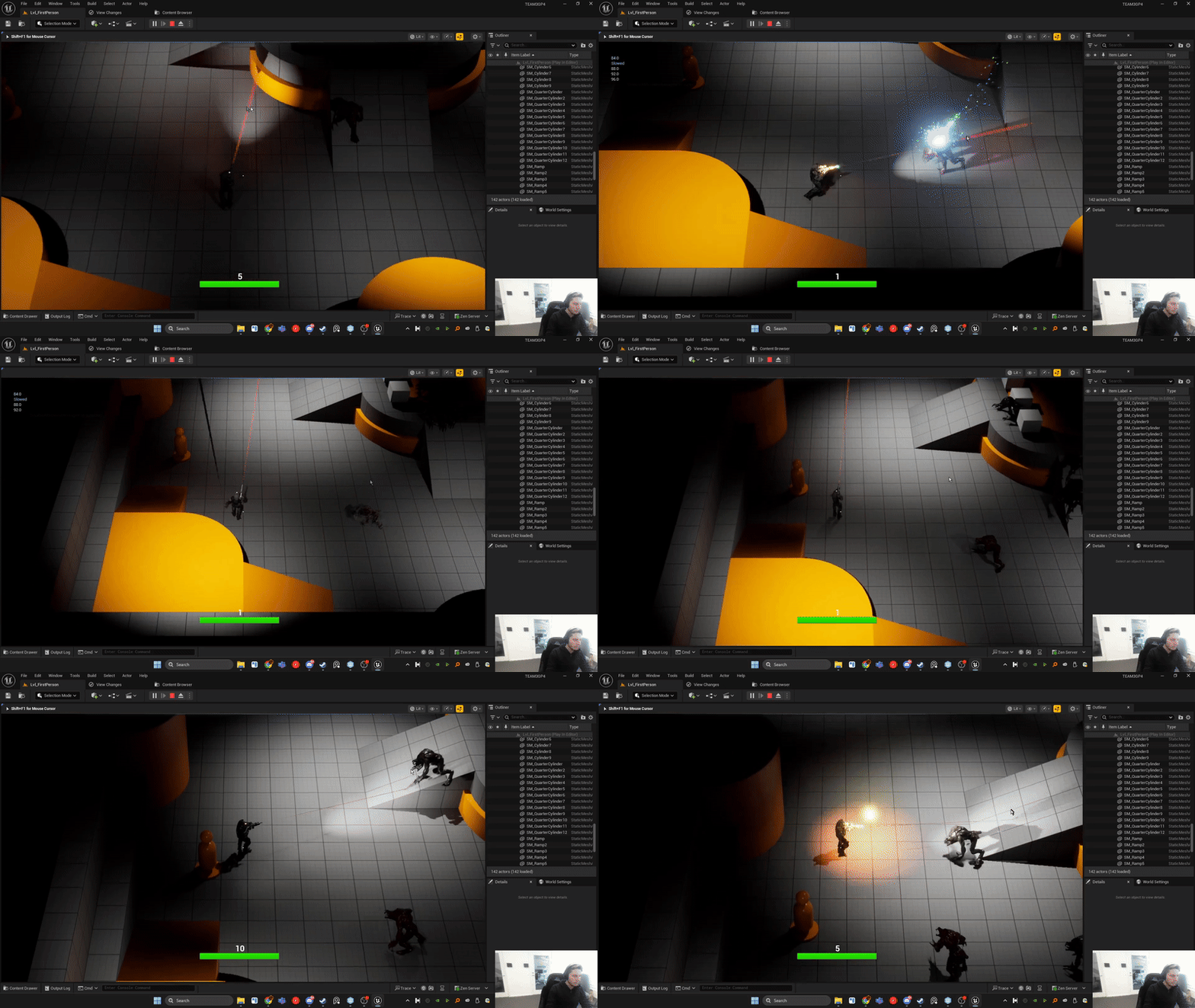
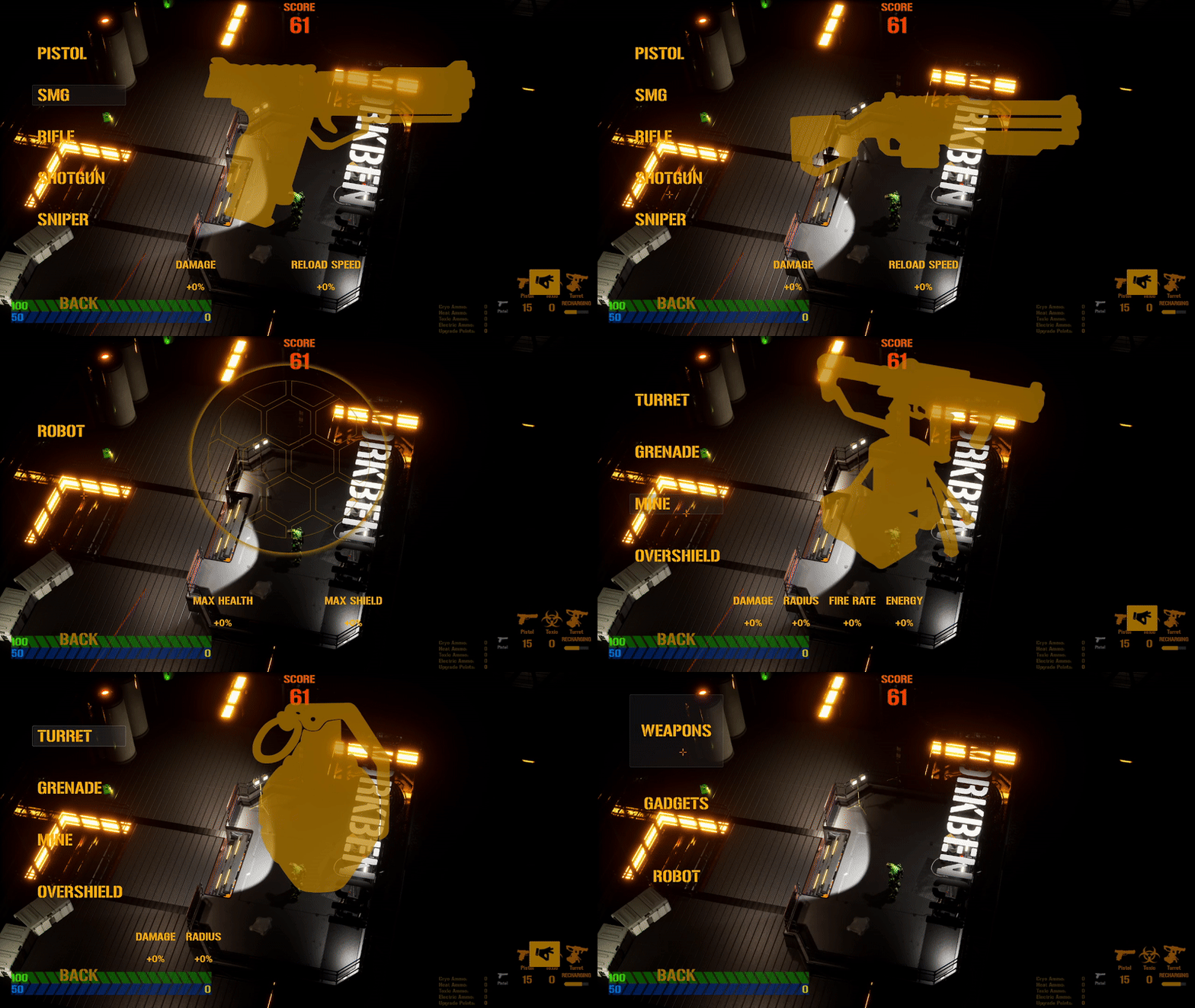
With our direction set, my focus shifted from raw functionality to improving the game's feel. Our team consisted only of designers and programmers, so we were given a 100€ budget to purchase assets from the Unreal Marketplace (FAB). I was responsible for integrating these new assets into the systems I had built. This involved:
- Refining the 3C's: I integrated the new character model and connected all animations to my movement and combat systems, ensuring the game felt responsive.
- Handcrafting the Weapon Roster: We abandoned the modular prototype for a set of five unique, handcrafted weapons. My goal was to give each weapon a distinct tactical purpose and a "unique twist" so they were more than just reskins. Pistol: The reliable starter weapon; a fallback for all situations. SMG: A high-volume, low-damage weapon. Its large magazine and high fire rate made it ideal for crowd control. Burst Rifle: A high-skill, high-reward weapon. If all three bullets hit, it dealt massive damage. Shotgun: A high-risk, close-quarters powerhouse with a wide spread. Sniper Rifle: A high-penetration rifle that could shoot through multiple enemies. This created a satisfying tactical challenge of lining up the perfect shot.
- Designing the Upgrade System: I designed the Workbench Upgrade System with a very specific "keep up" philosophy, not a "power trip" one. I wanted to maintain a sense of tension and ensure the player never felt completely unstoppable. Upgrades were intended to help the player manage the increasing difficulty, not out-scale it, keeping the core challenge intact.
Gold Stage: UX/UI
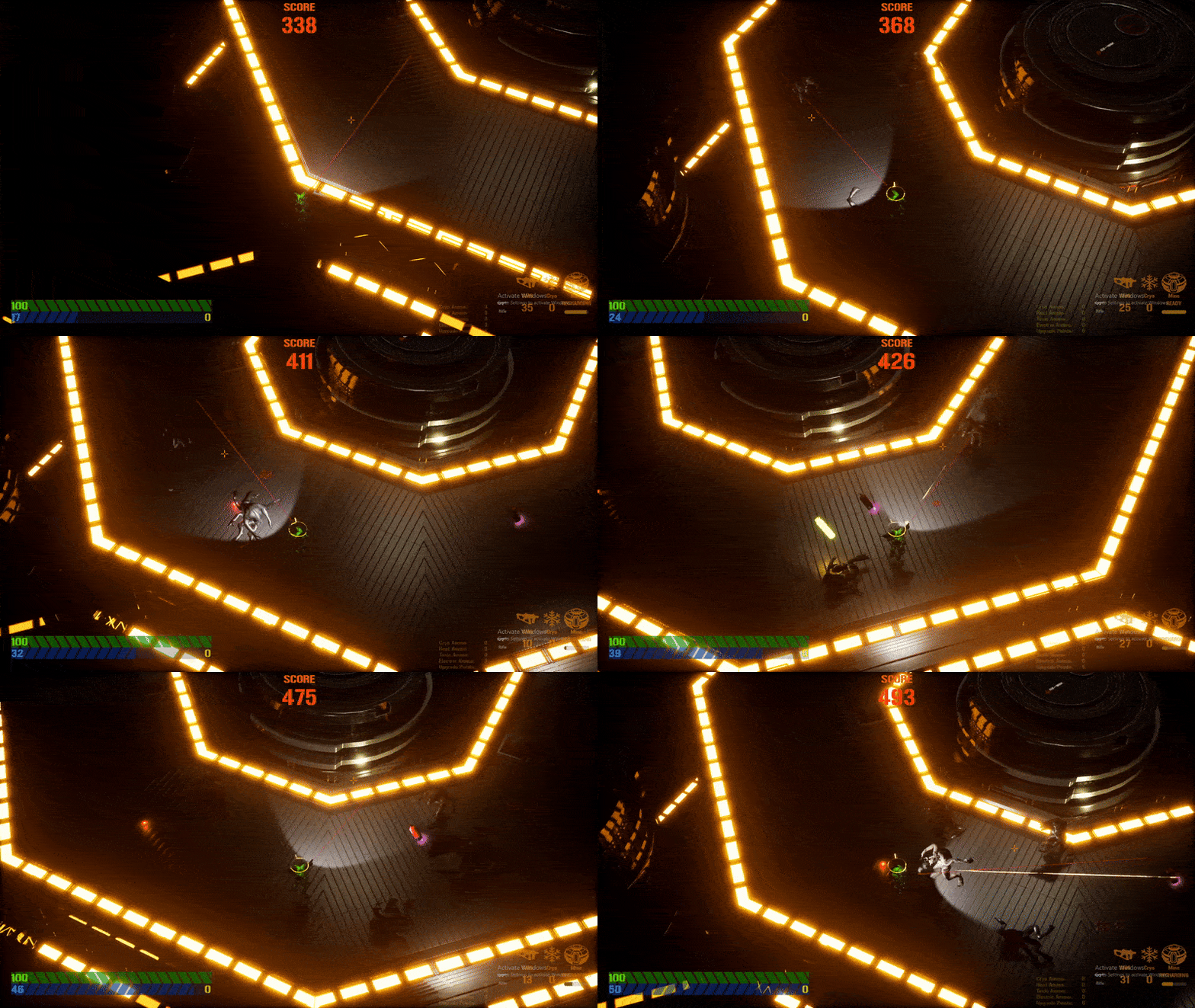
In the final stage, my role expanded to include full ownership of the UI and UX. My goal was to provide clear, impactful feedback for every key player action. I designed and implemented several systems to achieve this:
- UI: Built the HUD, including health, ammo, and other essential displays.
- Combat VFX: Integrated particle effects for muzzle flashes, bullet impacts, and enemy hit-splatters to make combat feel more responsive and satisfying.
Post-Mortem: Adaptability Under Pressure
Key Takeaway:
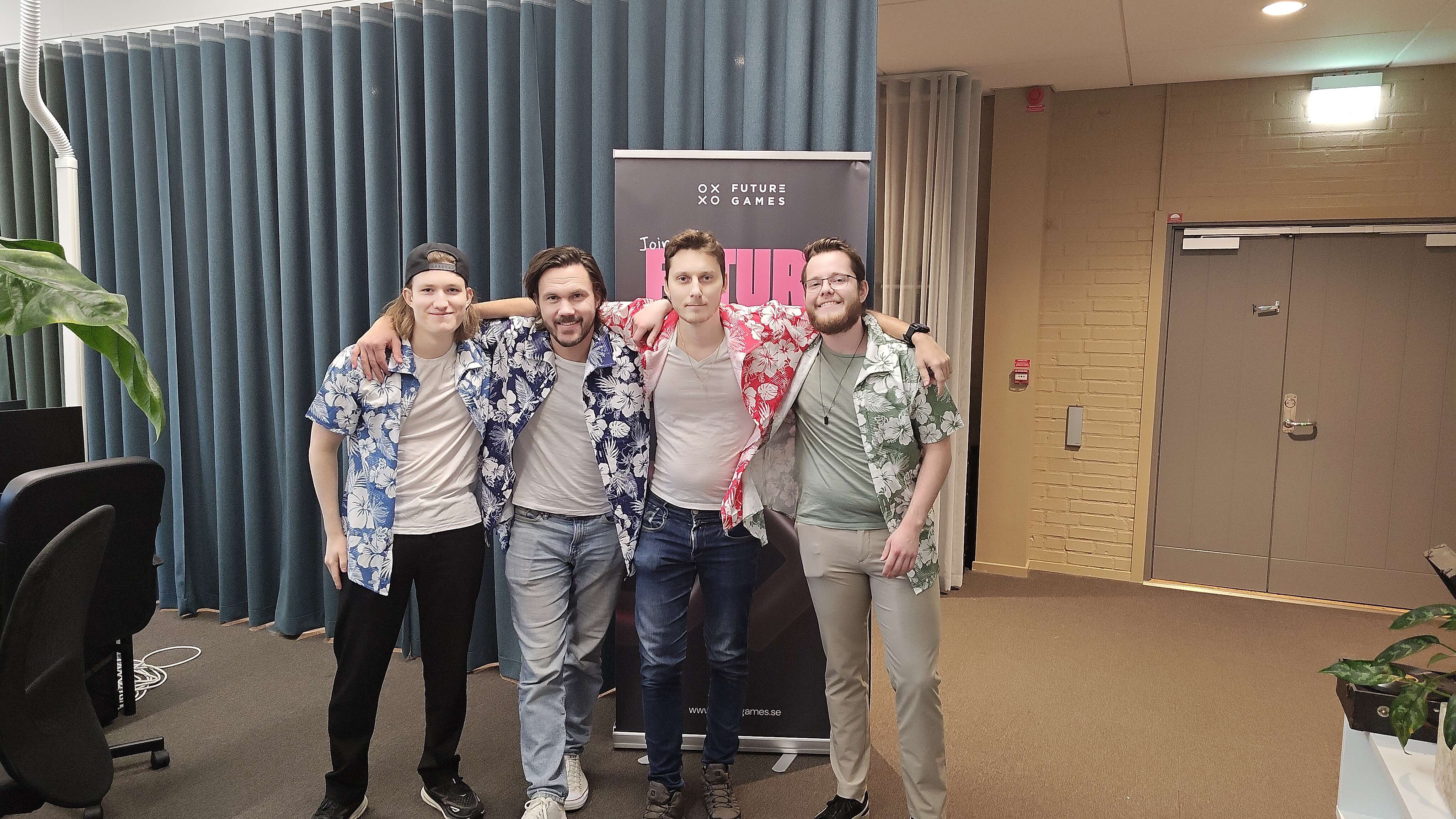
-
The biggest lesson from this project was resilience and the importance of realistic scoping.
Partway through development, we lost a team member responsible for the UI. To prevent the project from failing, I volunteered to take on their entire workload in addition to my existing responsibilities.
This was incredibly challenging, forcing me to simultaneously manage the 3C's, the weapon systems, and the entire UI/UX pipeline. It taught me how to ruthlessly prioritize tasks, scrap non-essential features, and focus only on what was critical for the deadline. While it was a heavy workload, it proved my ability to adapt to unexpected crises and deliver a polished product under extreme pressure.